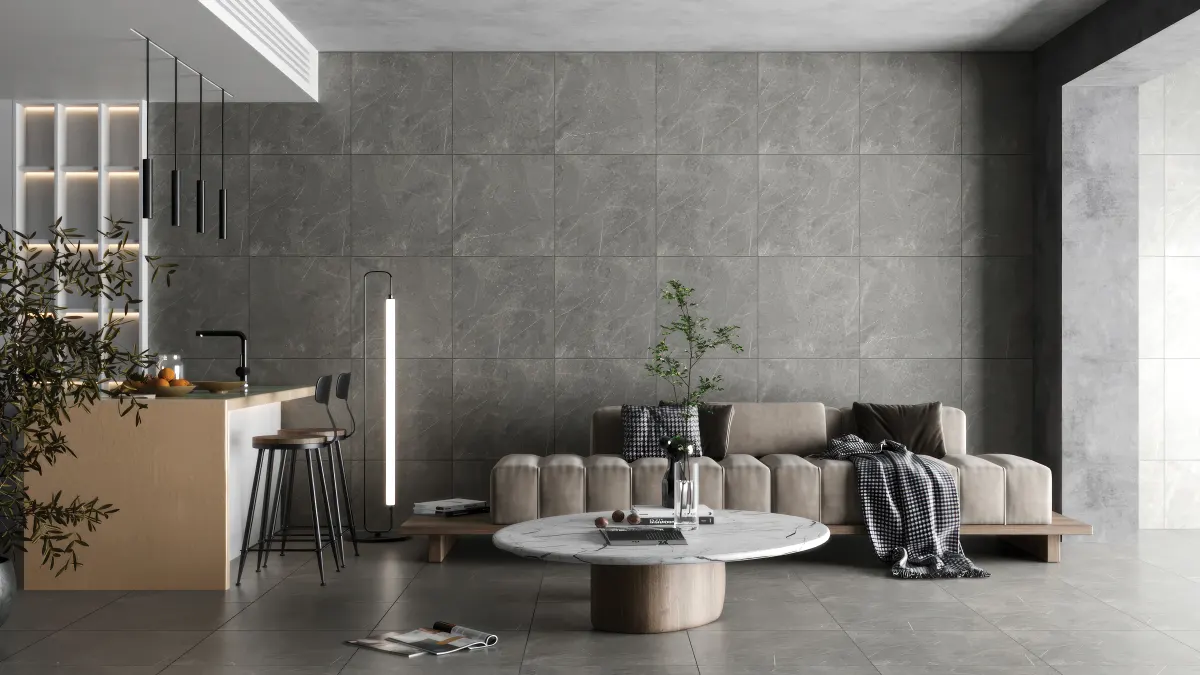
Choosing the right outdoor tile is one of the most important decisions you can make when updating patios, decks, or entryways. At Quality House Interiors, we help homeowners understand how outdoor materials behave in real Durango weather. This tile flooring buying guide breaks down what matters most so you can select tile built to last through snow, freeze-thaw cycles, moisture, and daily wear.
Why Outdoor Tile Selection Matters in Cold, Snowy Regions
Outdoor tile has a harder job than any indoor surface. It must handle moisture, temperature swings, constant freeze-thaw cycles, snow melt, and heavy foot traffic. That is why using the right materials is essential.
Homeowners often reference a tile flooring buyer’s guide when browsing options. The most important features to focus on include frost resistance, slip resistance, water absorption rating, durability, and long-term maintenance needs. The harsher the climate, the more crucial these features become.
Porcelain Tile: The Gold Standard for Durango Homes
Porcelain tile remains the top recommendation for outdoor areas in snowy climates. It is the most reliable material in any tile flooring buying guide for cold-weather states. That is because porcelain is dense, non-porous, and extremely durable.
Why porcelain works well outdoors:
It has a very low water absorption rate.
It resists cracking during freeze-thaw cycles.
It is suitable for patios, walkways, and uncovered decks.
It offers excellent slip-resistant surface options.
Porcelain may cost slightly more upfront, but the long-term durability often lowers overall expenses when compared with materials that need replacement more frequently. This is also a major advantage when reviewing a tile flooring installation cost guide.
Natural Stone: Beautiful but Requires Careful Selection
Natural stone offers premium beauty, but not all stone works well in snowy climates. Homeowners should use a tile flooring installation cost guide and a tile flooring buyer’s guide to fully understand the upkeep required for different stone types.
Best stone options for snowy climates:
Slate: Dense, frost-resistant, and slip-friendly when textured.
Granite: Hard, durable, and able to handle freeze-thaw cycles.
Quartzite: Stronger than slate and less prone to flaking.
Stone types to avoid outdoors in Durango’s winters:
Marble: Too soft and too porous for freezing climates.
Limestone: Easily damaged by moisture and de-icing salts.
Travertine: Very porous unless heavily sealed and maintained.
Stone can be stunning, but ongoing sealing and maintenance are required—so it is important to compare long-term care when reviewing tile flooring installation cost guide information.
Textured Ceramic Tile: Budget Option with Limitations
Ceramic tile is sometimes used outdoors, but it is generally not a top choice for Durango’s winter weather. While it can work in covered patios or semi-protected entryways, homeowners must be cautious.
Before choosing ceramic tile outdoors, consider:
It absorbs more water than porcelain.
It can crack during freeze-thaw cycles.
It needs slip-resistant texturing for safety.
Tile warranties often exclude outdoor use.
If budget is a top concern, ceramic tile may be an option—but it should be paired with a professional installer who understands cold-climate limitations. Always compare performance with porcelain and stone before making a final decision.
Slip Resistance: A Critical Feature for Snowy Climates
Outdoor surfaces can become slick when wet or icy. That is why slip resistance is a major part of any tile flooring buyer’s guide or tile flooring installation cost guide for cold climates.
Look for:
R11 or R12 slip-resistant ratings
Textured, matte finishes
Outdoor-specific product labeling
A tile may look beautiful, but if it is not slip-resistant, it is unsafe for entryways, stairs, patios, or walkways during Durango winters.
Professional Installation Matters—Here’s Why
Even the best tile can fail if installed incorrectly. Outdoor installations require more skill because of moisture changes, surface movement, and temperature shifts.
Licensed tile flooring installers ensure:
Correct mortar designed for freeze-thaw cycles
Proper slope for water drainage
Expansion joints to prevent cracking
Correct grout type for outdoor conditions
Frost-resistant installation materials
Using a flooring company near me with outdoor experience is the best way to protect your investment and reduce long-term maintenance costs.
Final Thoughts
Choosing the right outdoor tile for snowy, cold climates is all about durability, water resistance, slip protection, and proper installation. Porcelain continues to be the strongest and most reliable option, followed by select natural stones that can withstand Durango’s winter weather. With the right materials and expert installation, your patio, deck, or entryway will stay beautiful and functional for years.
Quality House Interiors proudly serves Durango, CO, and the surrounding areas.